
Case studies
Real applications from admitted students: their stories, essays and what got them in.

Beyond the Score: How Pranith Built Lasting Community Impact Through His Wide Range of Interests
Pranith’s case study shows how small, peer-led initiatives can grow into wide-reaching community impact, and how the impact of one's interests can be boundless. From perfecting the ACT to leading music foundations, writing books, and scaling service projects, Pranith’s journey is a masterclass in starting local, thinking big, and always taking the next step.


 +2


Run the Numbers, Change the Rules: Tanav's Journey to Yale
Tanav Prabhu’s case study is a must-read for students who want to turn quiet curiosity into bold, visible impact. His story spans everything from running a 50-person movement to training a cat-recognizing neural network—showing how technical skill and community leadership can go hand in hand. If you’re wondering how to stand out without being loud, how to lead by building, or how to turn passion into policy change, Tanav shows you exactly how it’s done. Yale noticed—and for good reason.


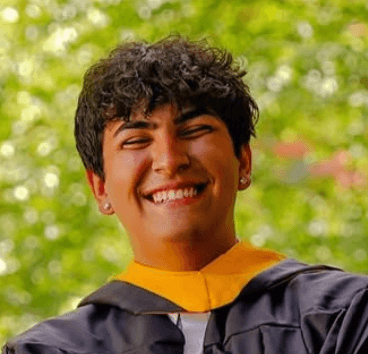

Honesty, Hard Work, and Heart Paved Mario's Road to UPenn
Not every college applicant has a perfect SAT score, a niche research project, or the money for private counseling—and that’s exactly why Mario’s story is essential reading. He didn’t fit the mold, and that’s what made him stand out. Through honesty, consistency, and a deep sense of purpose, Mario turned his real-life responsibilities into a source of strength. From shielding his little sister during a family crisis to juggling work, school, and service, his application wasn’t built on polish—it was built on heart. If you’ve ever felt like you weren’t “enough” for top schools, or that your background might hold you back, Mario’s journey is proof that your story, as it is, might be exactly what admissions is looking for.


How a Toothpaste Ingredient Opened the Door to Dartmouth for Shelby
Most students think college applications are about checking every box: grades, test scores, activities. Shelby Feikes proves otherwise. What set her apart was a self-driven research project sparked by a personal question: why did her dad’s illness have no cure? By following that curiosity, she built a story that tied her essays, activities, and supplements together into one coherent narrative. The kind admissions officers remember. If you’re wondering how to turn your own interests into a compelling application, Shelby’s path to Dartmouth shows exactly how powerful focus and originality can be.
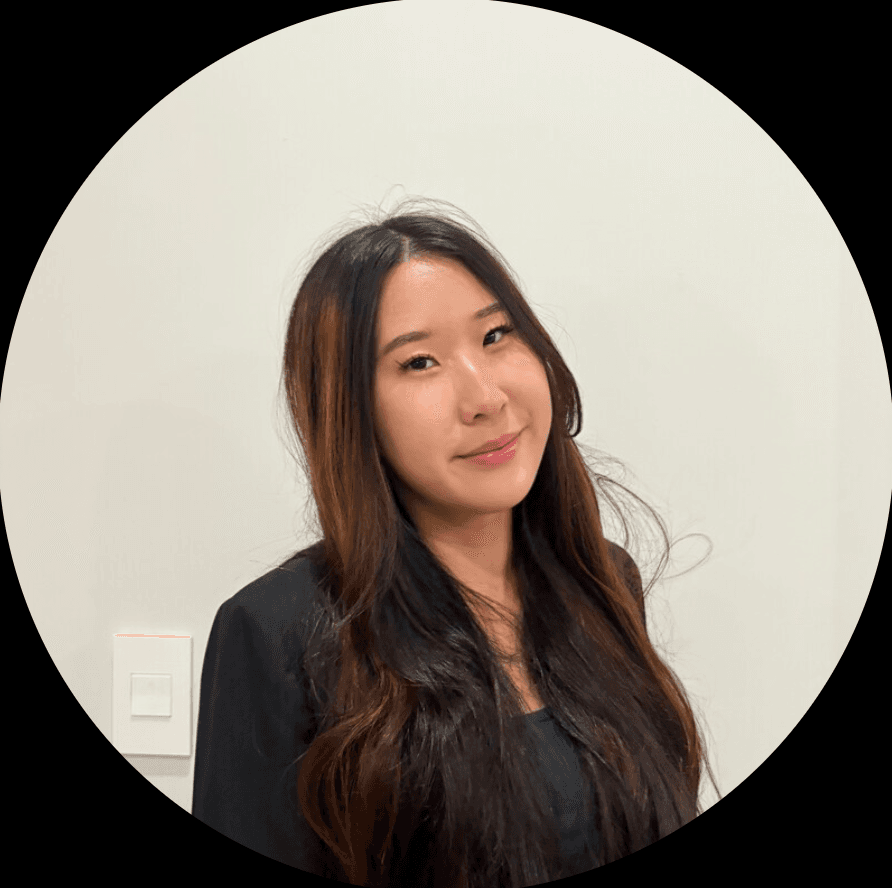
From Cadet to Cornellian: How Olivia Engineered Her Application Journey
Olivia Jung’s path to Cornell shows how uncertainty, doubt, and even feeling like an outsider can become strengths in the college process. She didn’t know her exact major when she applied, couldn’t afford to visit campus, and often felt out of place as the only girl in her JROTC program. But instead of seeing those as weaknesses, she used them to shape a story of flexibility, resilience, and leadership that stood out to admissions officers. Her journey reminds students that you don’t need everything figured out to aim high — what matters is how you frame your experiences, take risks, and turn difference into distinction.
 +3
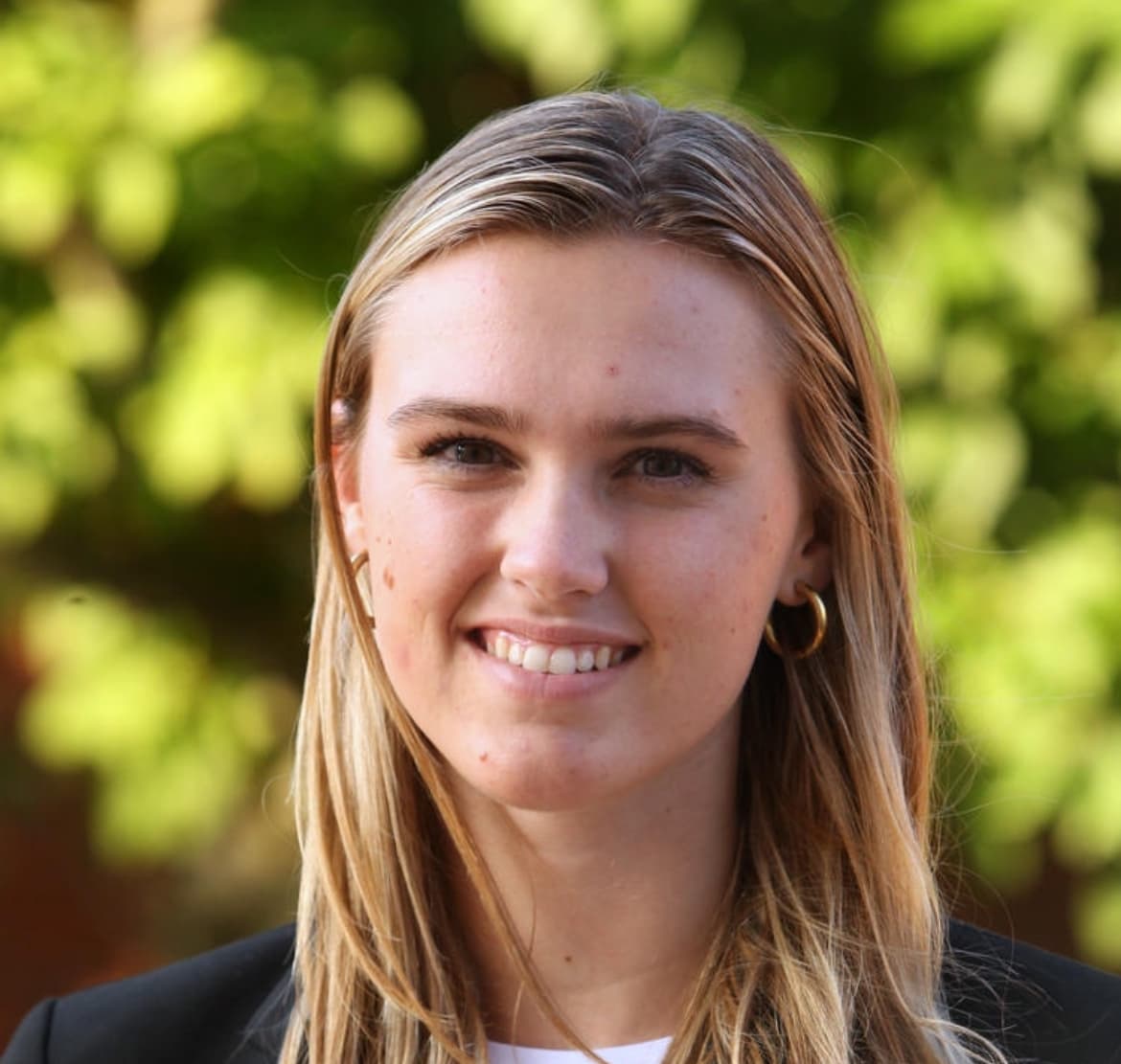
Margaret Talks Cohesive Narratives and Princeton Pride
Margaret’s story is a masterclass in letting your values lead the way. Instead of crafting the “perfect” application, she built one that reflected who she truly was—curious, grounded, and quietly bold. By creating her own research opportunities and writing essays that traced her personal throughline, she showed that standing out doesn’t always mean being flashy; sometimes, it means being consistent, thoughtful, and intentional. For anyone unsure how to tie their interests together or wondering how to approach essays without a dramatic story, Margaret’s journey offers a clear, grounded example of how authenticity can speak louder than spectacle.


Weaving Violin Strings into Science: Yumi’s Path to Dartmouth
Some students worry their applications will look “scattered” if they balance more than one passion. Yumi Park shows the opposite can be true when you tell a story of intersectionality. By weaving her years of violin training together with her commitment to science and medicine, she created a narrative that felt both distinctive and unified. Her story proves that admissions officers are not looking for students who fit into neat boxes, but for those who can connect the different pieces of their lives into something larger. For anyone trying to combine multiple interests on an application, Yumi’s path to Dartmouth is a blueprint worth studying.




Xander Used Poetry, Existential Curiosity, and a Leap of Faith to Earn Admission into UChicago
Xander’s case study offers a bold example of how creative risk-taking, literary voice, and deep self-reflection can redefine what a college application looks like. His journey—from scrapping months of drafts to submitting sonnets—shows how staying true to your intellectual instincts can set you apart at even the most competitive schools. Readers will gain insight into aligning with institutional values, crafting a memorable narrative, and embracing their quirks unapologetically. It’s a must-read for anyone wondering how to turn passion into persuasion.

No Ivy Pipeline? No Problem. How Priya Made Yale Happen
Coming from a school with no Ivy League history, no alumni pipeline, and no built-in guidance, Priya earned her place at Yale. Her story shows how resourcefulness, research, and self-advocacy can replace privilege, and how understanding “fit” can be just as powerful as having perfect stats. If you’ve ever wondered how to turn limited access into an edge, Priya’s journey offers a blueprint.

From First-Gen to Full Ride: How Youssef Hacked His Way to UChicago
Youssef Hasweh’s UChicago story is a masterclass in turning disadvantage into leverage. First-gen and low-income, he treated admissions like a system to learn: building relationships with reps, asking un-Google-able questions, writing essays that took creative risks, and negotiating aid like it was a business—because it is. Read this if you want to see how persistence, smart outreach, and bold storytelling can move you from “unknown applicant” to “first-name basis,” and how to use scholarships and financial strategy to make a dream school pay for itself.


Culture Over Clout: How Yash Found His Fit at Brown
Yash Gulani’s path to Brown is a quiet rebuke to prestige-chasing: after a Wharton deferral and a frantic winter of essays, he realized the win isn’t the fanciest bumper sticker, it’s finding a campus where your real self actually thrives. He stitched together oncology research, Latin, class presidency and cultural dance, under one simple lens—performance as curiosity shared—then aimed for the school that valued that range. He did the unglamorous work too: talking to students, learning the culture, and writing supplements that showed why he fit Brown’s collaborative, down-to-earth vibe. Read this if you’re deciding between name brands and true fit and want a playbook for turning mixed interests into a coherent, genuine story.


From a Dreamer to a Doer: How Lex Balanced Running and Creativity to Get Into Stanford
Lex Young’s Stanford story is a case study in refusing the false choice. He didn’t let “recruited runner” swallow the rest of his identity; he paired elite athletics with filmmaking, outdoor adventure, and a clear voice about why he creates. He chased quality over quantity—fewer videos, better stories—and learned to package authentic passions so they actually land with an audience. Read this if you’re figuring out how to show colleges you can be more than one thing, and how to make that multidimensionality unforgettable.

Finding Her Rhythm in the Core: Taylor’s Journey to Columbia
When students think about “fit,” they often default to numbers, rankings, or prestige. Taylor Ye discovered something more valuable. By walking Columbia’s campus, sitting in classrooms, and reflecting on the Core Curriculum, she found clarity about what the school could mean for her. That sense of presence became the thread she wove through her essays and activities, turning her background, her service, and her art into a story of alignment. For anyone preparing applications, Taylor’s path shows how fit is not just chosen, it is experienced and proven.


Trusting the Process and Staying True to Yourself: How Renaissance Man Noah Leveraged His Resources to Get into Columbia
Growing up in Ohio, Noah attended an underfunded high school with fewer resources than many students applying to Top 20 schools might traditionally find. But he didn’t let that stop him. From author to athlete to aspiring engineer, he leveraged every resource available.Rather than seeing limited resources as a disadvantage, Noah developed a perspective rooted in adaptability — learning how to create opportunity where it didn’t already exist and shaping his own path through curiosity, initiative, and resourcefulness.

How Filmmaking, Fitness, and a YouTube Comment Got Nicolas Berndt Into Stanford
Nicolas didn’t apply to Stanford with a stack of awards or perfect GPA. He applied with a story. It started with a product: custom doorknob covers. To market them, he launched a YouTube channel and started posting fitness videos, leveraging what made him stand out—being unusually strong at age 15. But something unexpected happened.

From Top Gun to T10 University: Benjamin at Yale
Benjamin Kim didn’t plan on the Ivy League. His dream was to fly jets for the Air Force—until poor eyesight and an unexpected Yale acceptance forced a bold pivot. By staying open to new experiences, chasing growth in uncomfortable places, and crafting a story beyond stats, Benjamin found a new runway for his ambitions.

Allie Used Bold Honesty, Essay Mastery, and Unexpected Intuition and Won Johns Hopkins Over
Her GPA wasn’t flawless. Her test scores weren’t record-breaking. She wasn’t a founder, CEO, or class president. But she was curious, and that curiosity turned out to be her greatest asset. In her Johns Hopkins supplement, Allie wrote about a column she created on AI and journalism. She didn’t claim expertise. She didn’t pretend to know all the answers. Instead, she explored how misinformation spreads in an AI-driven world, and how asking the right questions matters more than having the perfect résumé.

Research, Community, and Bone Marrow Made Soren’s Caltech Application Stand Out
When you picture a Caltech admit, you might imagine a born genius in a lab coat. Soren Ghorai’s story shows something different and more relatable. He created his own opportunities by applying his niche knowledge to a real-world cause he was personally invested in. From cold-emailing his way into research labs to organizing nationwide bone marrow drives in South Asian communities, Soren’s journey is a masterclass in self-started impact. This case study should inspire readers to use academics to uplift communities and enact real progress. It shows how to turn small actions into lasting change, and how persistence, purpose, and a few bold emails can open the biggest doors.

Betting on Yourself: Eliana’s Path to Penn
Eliana Horn’s road to Penn is a playbook for taking control of your own application story. She didn’t start with a perfect plan; she started with doubt, then rewrote a flat activity list into quantified impact, used supplements to explain the “why” behind her work, and raised her sights from safe picks to true reaches so she wouldn’t regret playing small. Framing business as service, she tied sustainability projects and public speaking to a mission larger than herself, the kind of “Bridge-Builder x Advocate” colleges notice. Read this if you want to see how betting on yourself, sharpening your evidence, and aligning your values with a school can turn late momentum into an admit.

 +4

Matthew Used His Application as a Stage For Cornell Admissions
Matthew Merril’s case study is a masterclass in resisting the noise. In a world where college admissions can feel like a social arms race, Matthew chose to trust his own pace, his own interests, and his own gut. For anyone navigating peer pressure, prestige culture, or self-doubt, Matthew’s story is a critical reminder: you don’t have to fit the mold to thrive. You just have to find where you genuinely belong.

See How Connor Used Hustle, Heat, and Unconventional Grit to Get UChicago to Say 'Yes Chef' to his College App
Connor Bloch’s college application came across more like a gripping episode of "The Bear" than your standard admissions blueprint. By the time most students were learning how to format a résumé, Connor was breaking down whole hogs in a butcher shop. By 17, he was juggling two jobs—finance by day, fine dining by night. He wrote a gripping story about the struggles and lessons of a chaotic New Year’s Eve dinner service at a Michelin-tier restaurant that subtly and impactfully told admissions who he is. Fifteen hours of plating, orders, adrenaline. No breaks. No shortcuts.


Sara Mastered Grit and Curiosity to Earn Admission into MIT
For Sara Wilson, swinging on a flying trapeze wasn’t just a hobby—it was a metaphor for her mindset. While most applicants shy away from discussing failure, Sara leaned into it—literally. In one of her MIT essays, she described the sting of the safety net not as defeat, but as a satisfying invitation to try again. Sara didn’t follow a perfectly polished path to college. Instead, she carved out a space defined by experimentation, risk-taking, and resilience. She was drawn to MIT because it was “a place where people make things happen,” and her path—though nonlinear—was grounded in a relentless drive to understand and improve the world around her.

How Charlotte Used Cold Emails and Humor to get into Duke
Charlotte Wang’s path to Duke shows how curiosity can snowball into opportunity, even when the destination isn’t clear at first. She didn’t start with a dream school or a fixed major. Instead, she cast a wide net, followed her interests, and let real experiences shape the story she told on her applications. From cold-emailing researchers to cracking jokes in supplemental essays, her journey reveals how risk, initiative, and authenticity can turn uncertainty into strength — and how those choices matter just as much as perfect stats.


Cleatus Built His Chemical Engineering Journey from Childhood Curiosity to Environmental Impact
Cleatus Oakes’s case study is a blueprint for students who don’t just want to study science—they want to use it. From childhood Lego sets to environmental engineering research, his journey shows how hands-on exploration can evolve into mission-driven purpose. If you're trying to figure out how to turn personal curiosity into a focused, real-world impact, Cleatus’s story is a must-read. It’s about more than just getting into Caltech—it’s about building a path with both depth and direction that colleges will notice.

Authenticity by Design: How Angad Wrote His Berkeley EECS Success Story
Angad Singh Josan treated the process less like a lottery and more like a design problem: test broadly, narrow by fit, and refine until every word and activity reflected something only he could have written or done. His story shows how intentional choices in building a résumé, writing essays, or deciding between admits can cut through the noise of college admissions and leave behind an application that feels unmistakably real.

Cole Merged Academic and Athletic Excellence to Join Stanford University
Cole Sprout’s case study is essential reading for any student trying to juggle more than one dream. Whether you’re balancing elite athletics with academic ambition or simply trying to find a school that fits all sides of who you are, Cole’s journey shows what it looks like to choose with intention. From navigating recruitment to thriving under Stanford’s fast-paced quarter system, he shares what it takes to grow in multiple dimensions—without compromising on what matters most.

From Chicago Labs to the Ivy League: Brianna’s Dartmouth Story
Brianna Chang built her Dartmouth application on persistence: years of cancer research in Chicago labs, dozens of cold emails to professors, and even direct outreach to admissions officers. Her story shows that initiative matters as much as talent. By creating her own opportunities and then tying them back to Dartmouth’s culture and D-Plan, she demonstrated both a clear spike and a clear fit. For students looking to turn effort into advantage, Brianna’s path is a masterclass in proactive strategy.

How Going Green Brought Will to Brown
Will Rumsey’s journey to Brown is a reminder that sometimes the smallest details, like an avocado tree growing in your bedroom, can become the most powerful part of an application. He didn’t have a single defining path; instead, he had wide-ranging interests. What set him apart was how he chose to frame it: leaning into a niche passion, showing authentic love for the school, and trusting that Brown would value curiosity over perfection. His story is a blueprint for students wondering how to stand out when their interests are many and their future still unfolding.

From Legos to Labs: How Vineet Built His Way to MIT
Vineet Saravanan’s path to MIT is proof that storytelling can often speak more to admissions than résumés stacked with activities — they want evidence of depth, personality, and persistence. From Legos to robotics to published biomedical research, Vineet showed he wasn’t a dabbler; he went all in. And when it came time for essays, he leaned into something unexpected — weightlifting — to show discipline and versatility beyond academics. His story offers students a roadmap for standing out: go deep where it matters, let your quirks come through, and build an application that feels like it could only belong to you.
+1
Not Just Notes: Evan Turned Jazz and Justice Into Columbia Admission
Evan Van Brunt’s Columbia story shows how a scattered-looking résumé can become a cohesive narrative when you connect the dots with purpose. He braided jazz gigs, policy debates, and late-night notes-app ideas into an application that felt lived-in rather than engineered—then proved his voice by advocating on a national stage for translation access and against censorship. The value here isn’t just inspiration; it’s a model: organize your receipts, write the essay only you could write, and anchor your activities to something bigger than yourself so admissions sees range with a throughline, not noise.

Jeanine Wove Family History and Passion for STEM Into a Story that Got the Attention of Harvard
Her father’s journey from sweet potato farming in rural China to building a new life in the United States became the backdrop for Jeanine’s exploration of environmental science, seed proliferation, and the intersection of agriculture and biotechnology. But her application didn’t start out this way—it took real self-reflection to break out of the formulaic advice she’d been given and instead lean into the unscripted, meaningful moments that shaped her. By embracing the messy, honest parts of her story—and by choosing to apply where she truly fit—Jeanine showed that the most compelling applications come from students who aren’t afraid to be fully themselves.

Princeton Grad Aryan Bhasin Shares His Hacks For Finding the Perfect Essay Topic
Aryan Bhasin’s case study shines a light on the often-overlooked power of recommendation letters, self-exploration, and journaling as tools for crafting a standout college application. His journey, from feeling faceless to embracing his multi-dimensional identity, is a testament to how introspection and storytelling can create a compelling narrative—even when you’re applying from across the world. This is a must-read for international students, for those searching for their place, and for anyone wondering how to turn uncertainty into a powerful essay.

Ian Chung Leveraged Niche Intersectionality to Catch Stanford's Attention
Ian Chung's path to Stanford was built on creating meaningful intersections between his passions, not being the most well-rounded. From neuroscience and architecture to music and mentorship, he pursued depth with intention and used it to elevate those around him. Ian proves how thoughtful integration and authentic community impact can make a powerful impression.
Jude Went All-In on One Passion Outside the Classroom, Stanford Took Note
When Jude Reiferson set his sights on college, he wasn’t just chasing prestige—he was looking for a place where top-tier academics and Division I sports culture could coexist. Stanford quickly became his dream school, not because it was the obvious choice, but because it offered the perfect intersection of his passions. Jude’s strategy was to go all-in on what made him unique. By building a focused, high-impact narrative around his deep involvement in politics, he showed Stanford exactly what they look for: someone who pursues their interests relentlessly, isn’t afraid to specialize, and applies their specialty in the real world.
Niko Broke the Mold and Built His Own Path to Harvard
When Niko Katsuyoshi applied to Harvard, he didn’t want to be seen as just another athlete or another Asian student in the math-and-science lane. He set out to break those expectations—by showing range, by leaning into curiosity, and by taking ownership of his story. Niko’s journey is a study in self-advocacy, quiet rebellion, and the power of building your own path long before anyone gives you permission.

One of 36: Ethan's Waitlist Comeback to Princeton
Ethan started looking at colleges the summer before senior year, later than almost everyone around him. He was low income, had never taken piano lessons or played varsity sports, and figured he'd end up "okay" somewhere, not somewhere incredible. He leaned on a Common App fee waiver just to apply to top schools at all, then wrote over 80 essays by grinding every night after school. When decisions came out, he was accepted to the University of Michigan but couldn't afford it, and waitlisted at both Princeton and Columbia. Instead of walking away, he sent letters of continued interest, kept racking up wins on his math team, and became one of only 36 students accepted off Princeton's waitlist that year. His story is proof that getting waitlisted isn't the end of your shot, it might just mean the work isn't done yet.
 +3